What makes gas replacement different
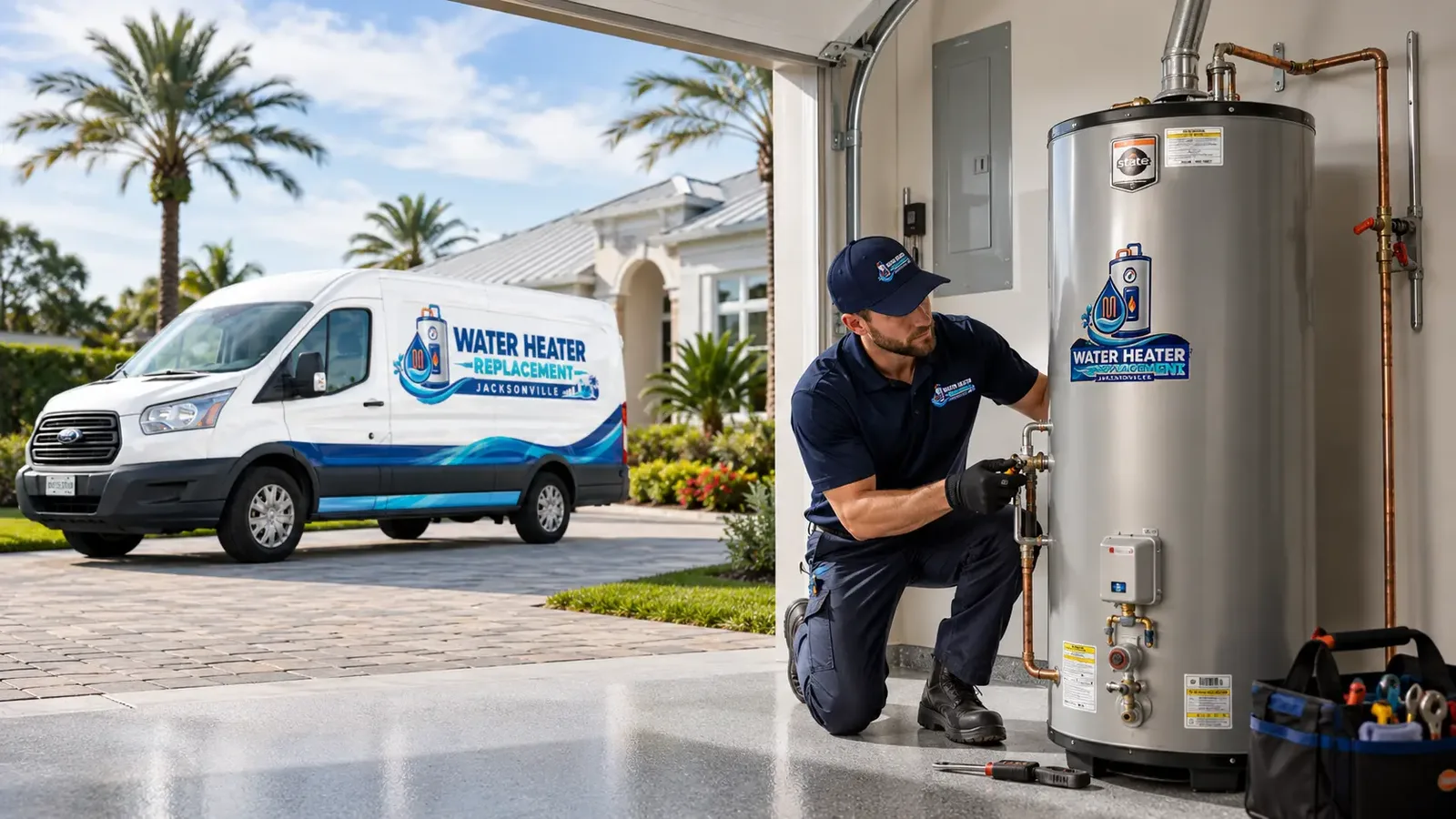
Gas water heaters share the same basic storage-tank design as electric units, but the connections and safety checks involved in replacing one are different, which is why this service has its own page separate from the general tank replacement page and the electric replacement page. A gas unit brings a fuel supply line, a burner and thermocouple or electronic ignition assembly, and a venting system that has to move combustion byproducts safely outside the home. Each of those is inspected during replacement, not just reconnected out of habit.
How gas tanks fail
Common issues on an aging gas tank include a burner that struggles to stay lit, inconsistent hot water caused by sediment insulating the bottom of the tank from the burner's heat, a pilot or ignition system that has become unreliable, and visible rust or corrosion at the base where condensation and combustion byproducts can accelerate deterioration. As with electric units, a single ignition or thermocouple fault on a younger tank is usually worth repairing, while a tank in its ninth or tenth year showing several of these symptoms together is a stronger candidate for replacement.
How the replacement is sequenced
The visit starts by confirming fuel type, natural gas or propane, current tank input rating, and vent configuration. The gas supply is shut off and the tank is drained, then disconnected from its gas line, water connections, and vent connector. The new tank is set, leveled, and connected: water lines and a code-current relief discharge line first, followed by the gas connection, typically with a new flexible connector or properly sized fitting, and finally the vent connector, checked for correct slope, material, and clearance to combustibles. Combustion air into the space is also reviewed, since enclosed closets and small utility rooms need adequate air supply for the burner to operate safely. The tank is filled, purged, and lit, and the flame, draft, and connections are all checked before the fixtures are tested for temperature and recovery.
Jacksonville-specific conditions that affect this project
Sediment accumulation from local water conditions affects gas tanks the same way it affects electric ones, insulating the tank bottom from the burner and forcing longer, less efficient heating cycles as the unit ages. Humidity is a bigger factor for gas equipment than people often expect, since moisture around a vent connector or at the base of the tank accelerates corrosion of both the tank shell and any exposed metal venting, which is one reason vent inspection is treated as a required step rather than an optional check on every gas replacement in this climate.
Installation locations vary across Jacksonville's Southside neighborhoods. Garage placements in newer construction around Southpoint and Baymeadows generally give good access to both the gas line and an exterior wall for venting. Older interior closet placements, more common in parts of Deerwood, Lakewood, and Englewood, require closer attention to combustion air supply and vent routing, since the vent often has to travel further to reach an approved termination point outside the home.
What changes scope or cost
A like-for-like swap with an adequate gas line and code-compliant venting already in place is the simplest and most common case. Cost and time increase when the vent material or routing needs correction, when the gas line is undersized for the new unit's input rating, when a confined space lacks adequate combustion air and needs a vent added, or when the installation is being upgraded to a higher-capacity unit. The cost calculator reflects these differences in its planning ranges.
How to prepare
Know your fuel type and, if you can, the tank's current input rating, which is printed on its data label. Clear access to the gas shutoff valve and the space around the unit, and report any gas odor, pilot light issues, or soot around the burner access panel so those can be checked first. If considering a capacity increase, the sizing guide explains how gas tank recovery rate factors into the right choice for your household.